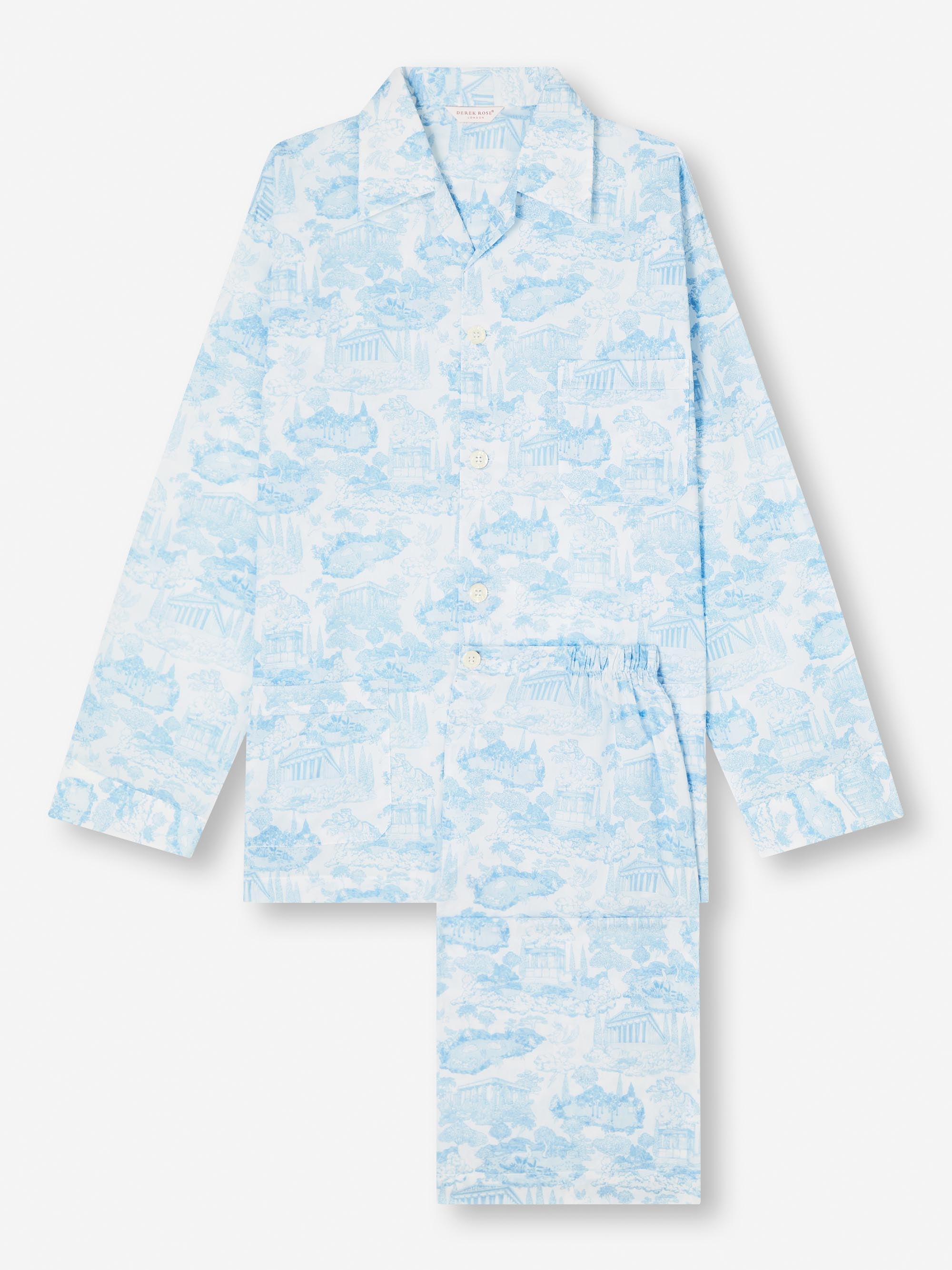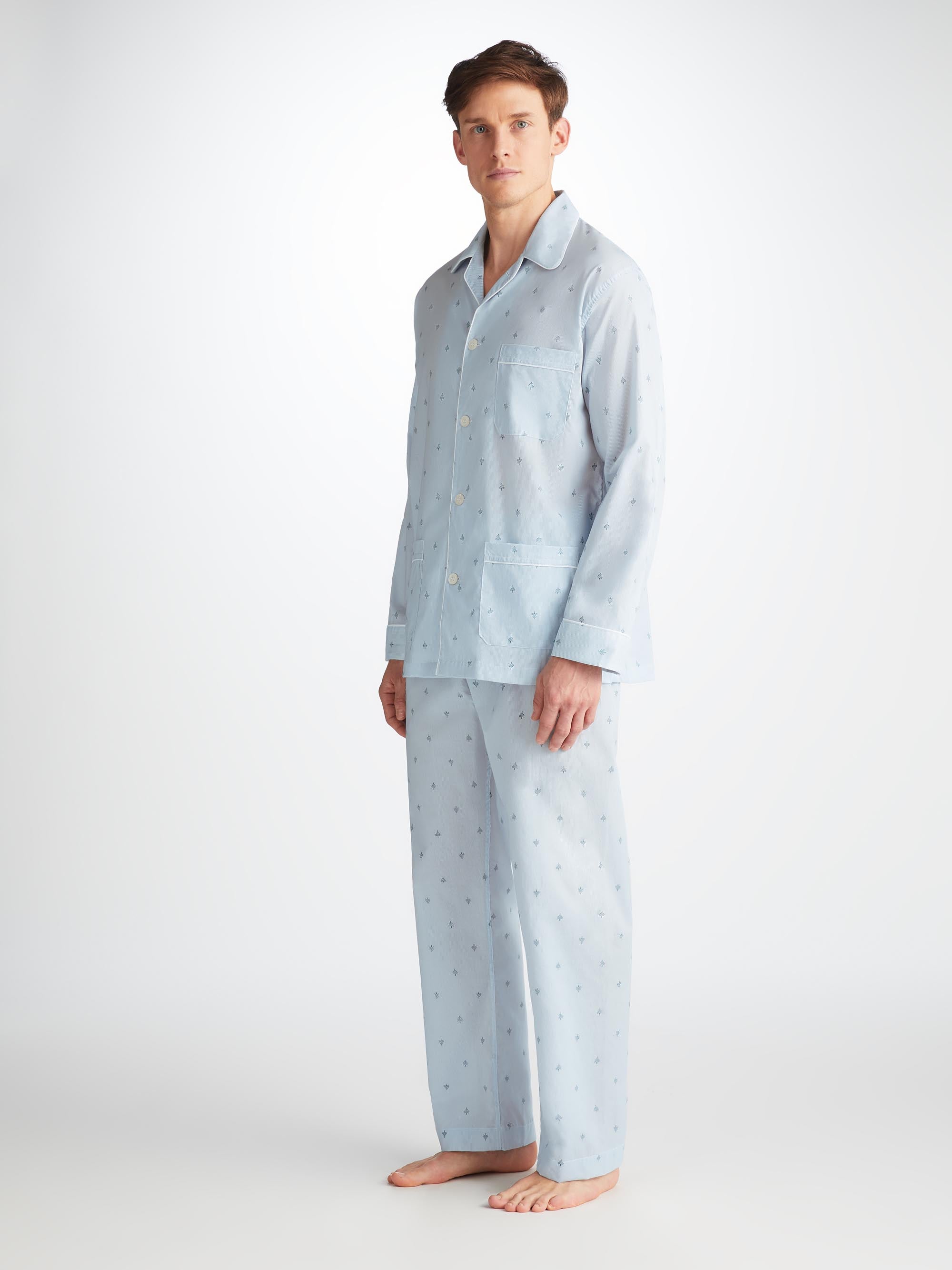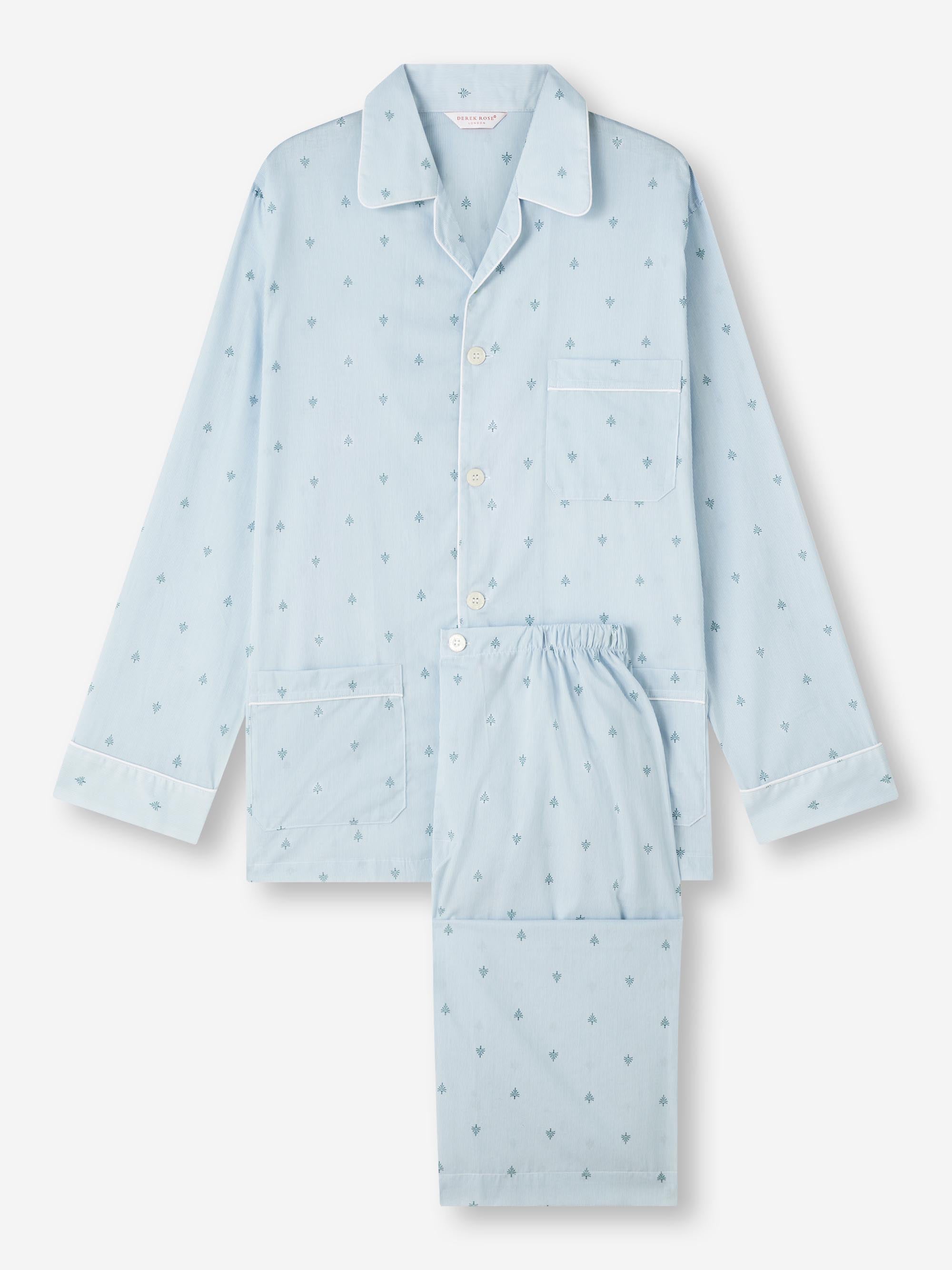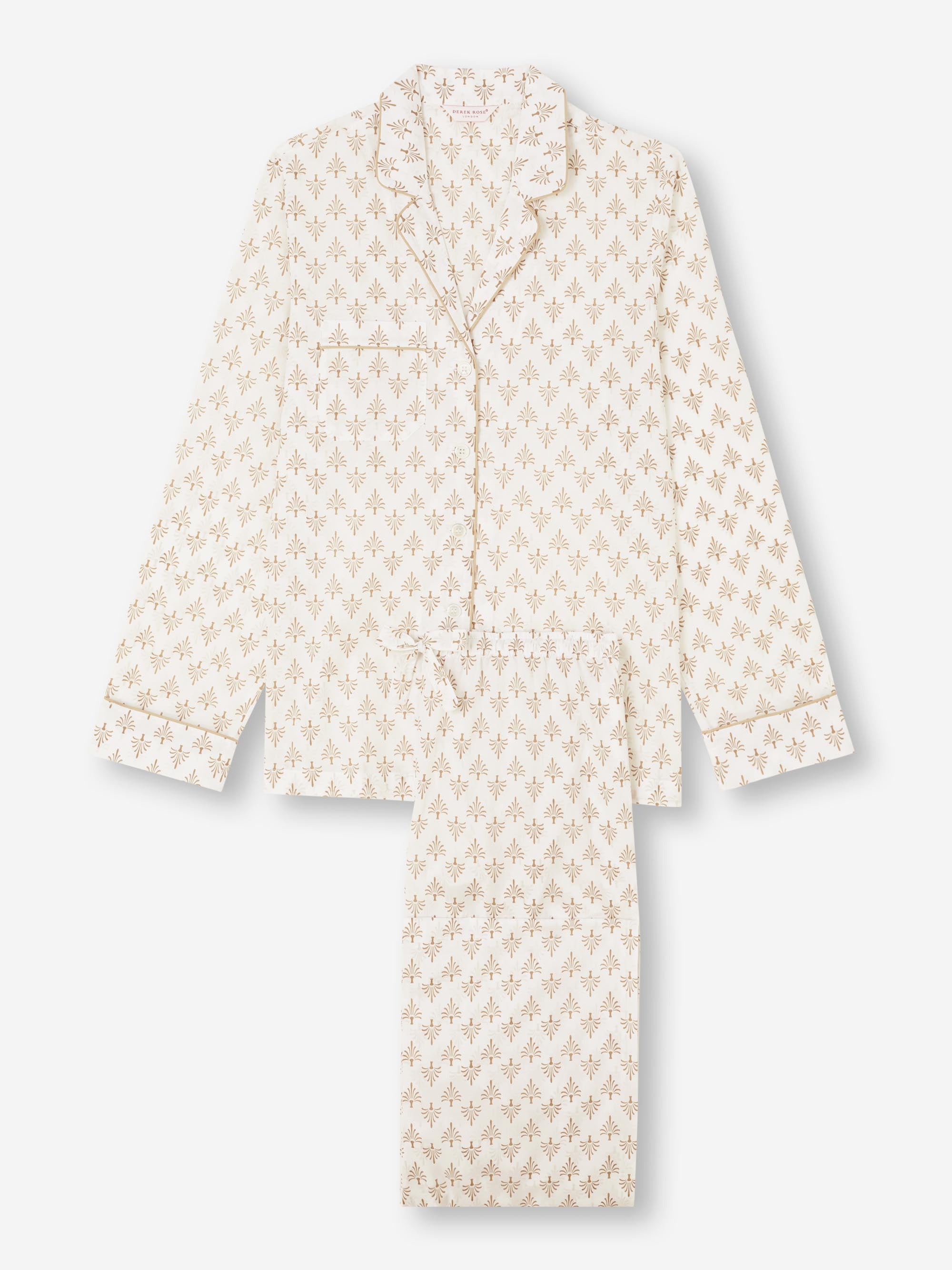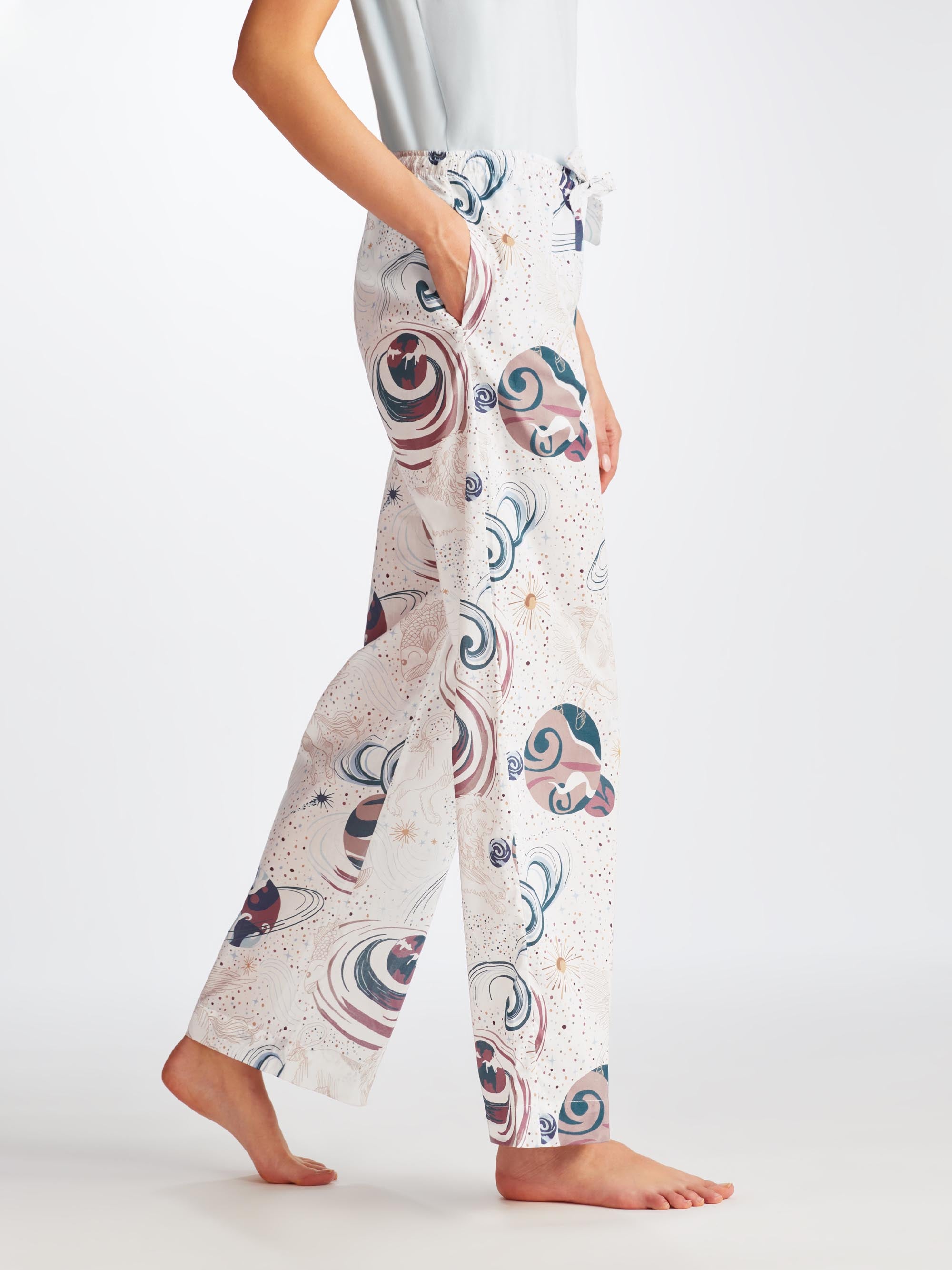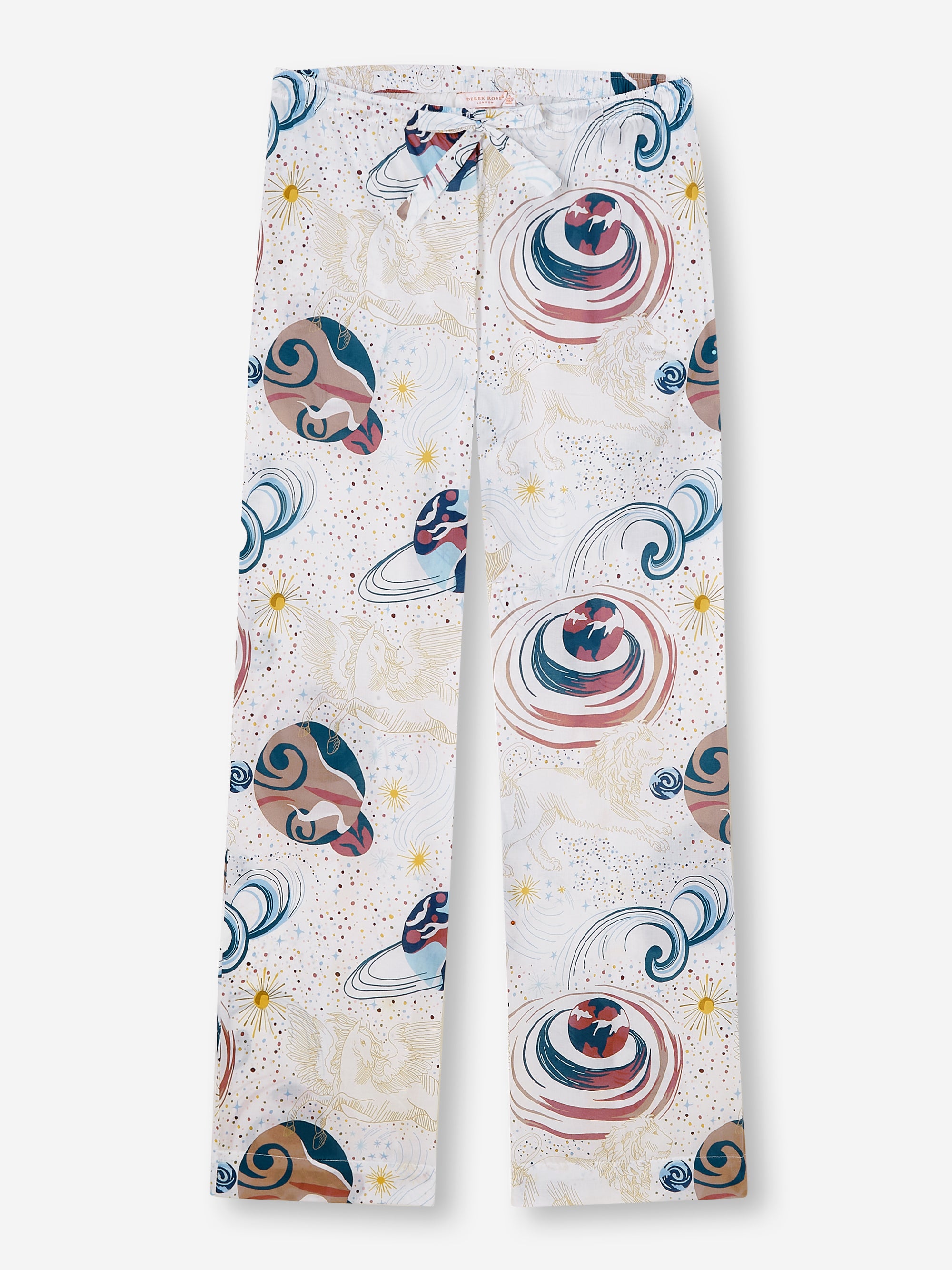











THE HISTORY OF PYJAMAS
We thought you might be interested to know a little about the History of Pyjamas. So please do read on...
Where do Pyjamas come from?
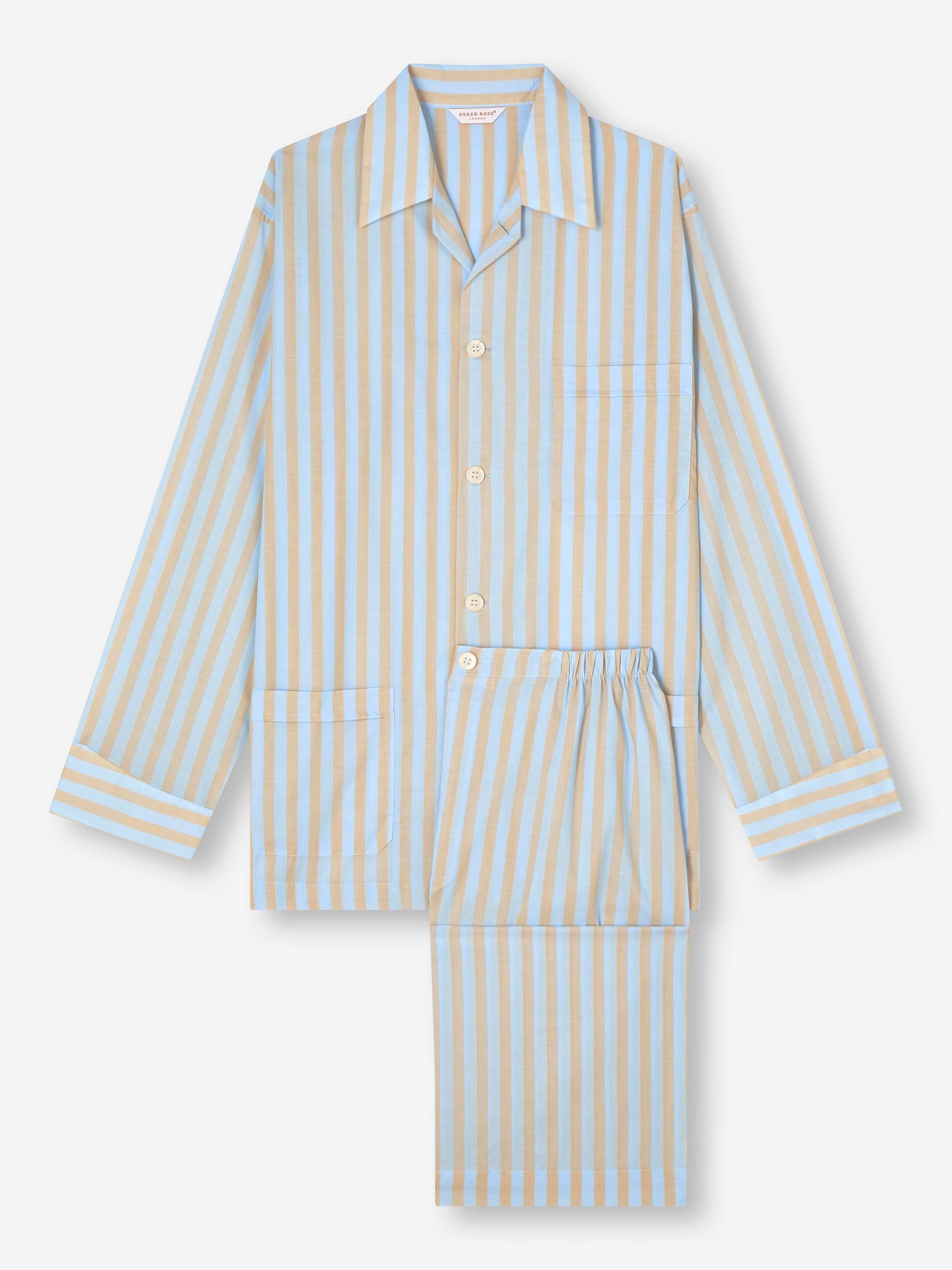
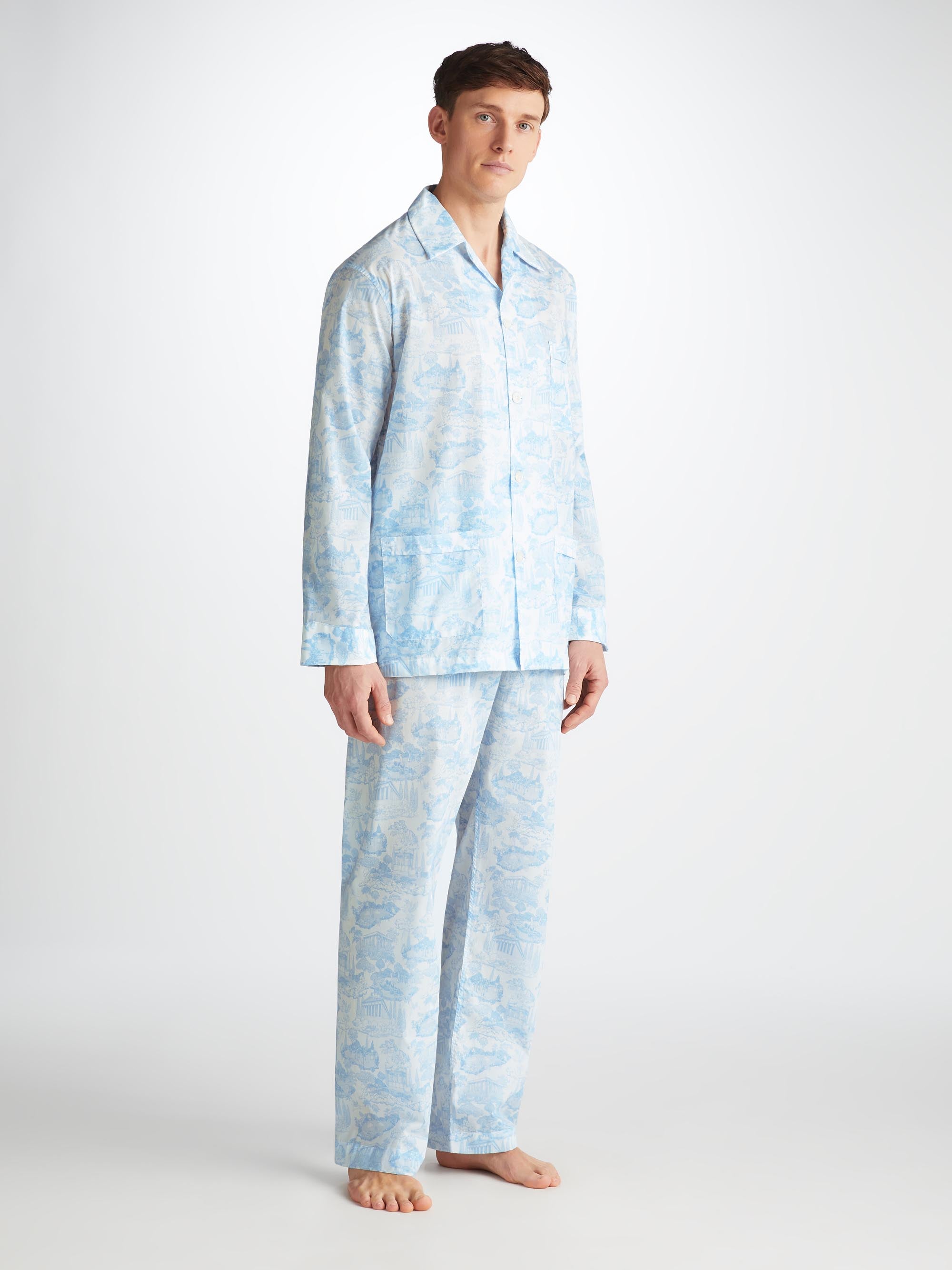
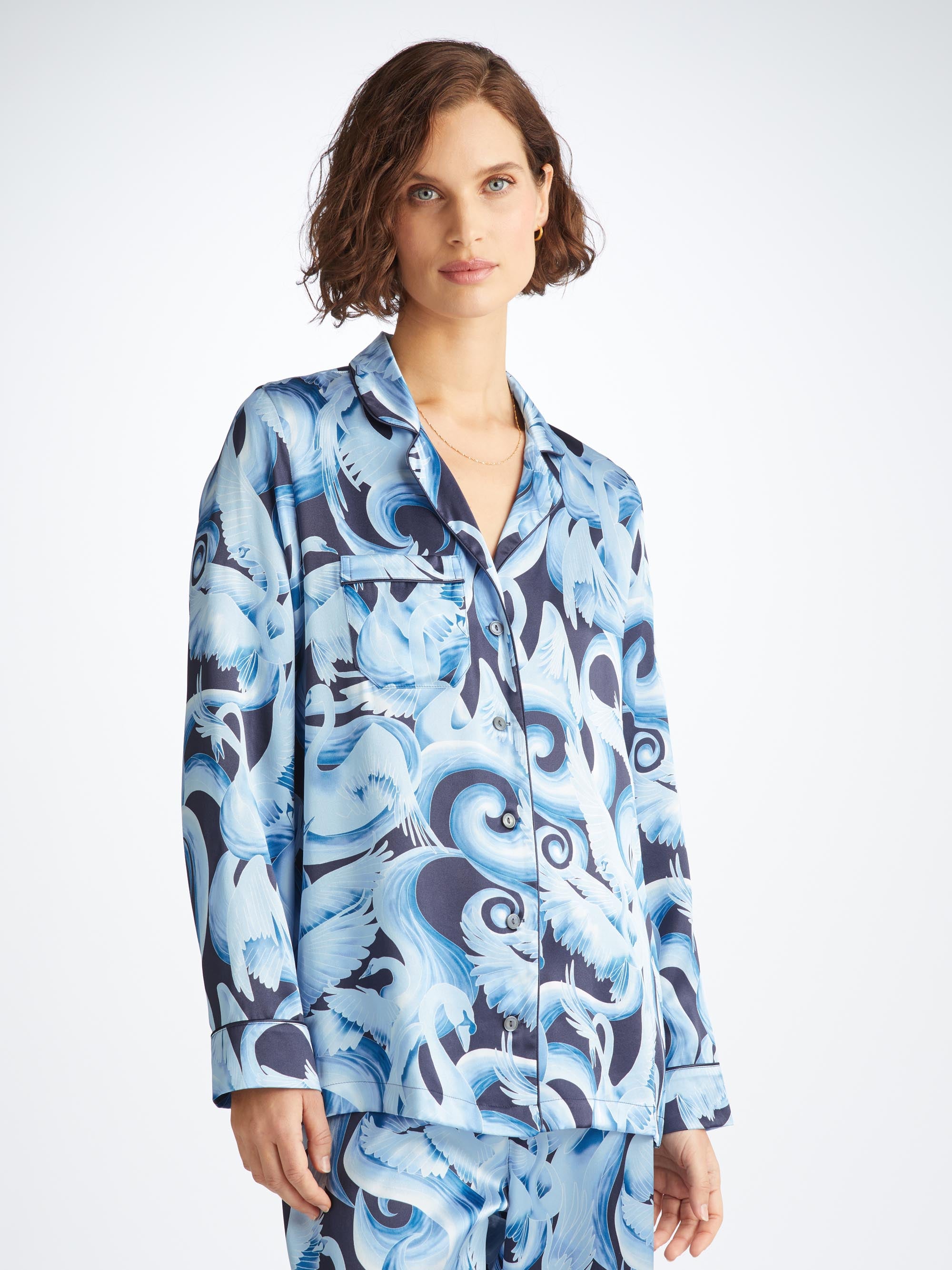
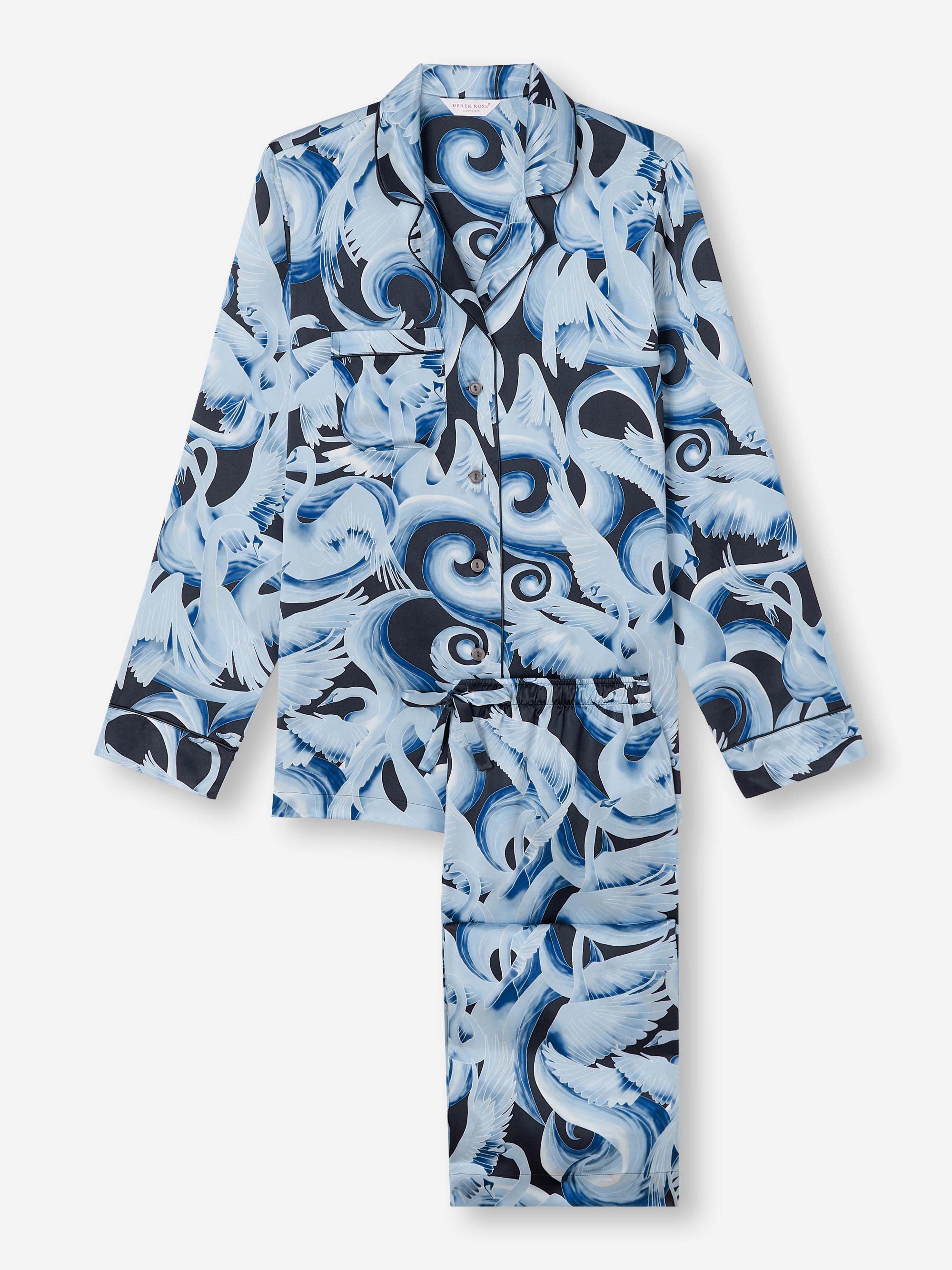
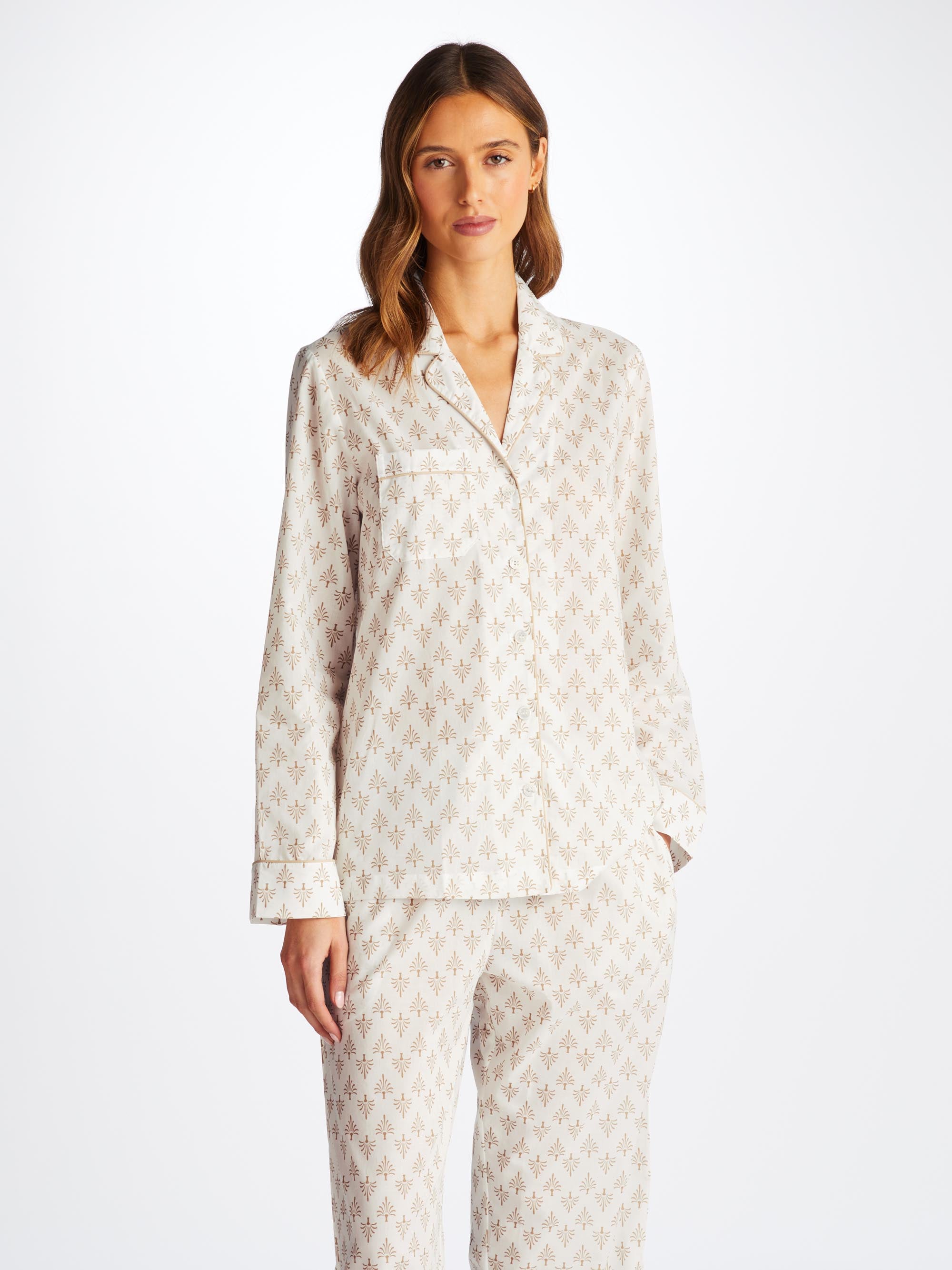
Pyjamas
were originally loose lightweight trousers worn in the East, or a loose
two piece suit of silk or cotton, or synthetic material worn for
sleeping or lounging.
Men’s pyjamas appeared in the Western world about 1870 after returning
British colonials brought back with them the “Pajamas” worn by the
Hindus.
They are thought to have originated in India. “Pyjama” in Hindi means
drawers and once introduced into the West became steadily more popular
for men and women.
When did Pyjamas grow in Popularity?
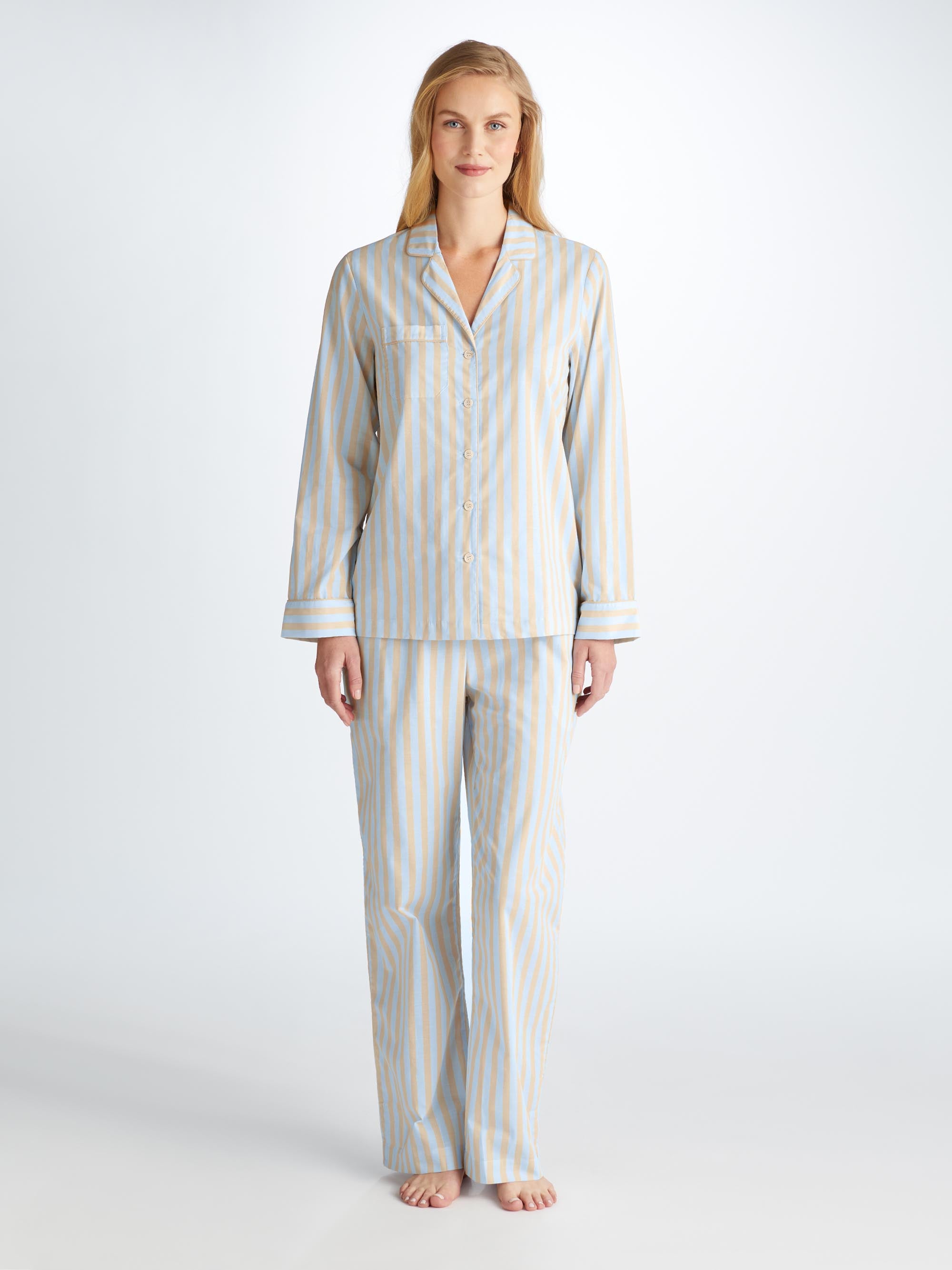
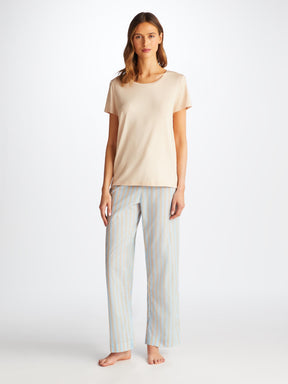
At the beginning of the 20th Century, pyjamas were introduced as women’s sleepwear and around 1920 as at home evening wear.
A revolution in nightwear took place in the early years of the century.
For 300 years or more; women had worn in bed a long smock and men a
longer version of the day shirt. Pyjamas now began to take their place.
A Timeline Showing The Evolution of Men’s Pyjamas
As Contemporary Nightwear
1626 — 1710
Nightshirt - very elaborate as day shirt. Lace insertion at neck — down
sides of sleeves, with ruffles at wrist. It was customary for Brides
and Grooms to give each other their wedding night clothes.
1780s
(Lelior) Nightshirt-like day chemise except longer. In France, it was
worn as a camisol or sleeping jacket tied with ribbons. On head people
wore a night cap.
1880s
Nightshirts became more ornamental. In 1867 it developed with a stand
up collar and yoke. The front had long pleats down each side of centre
pleat.
1890s
Pyjamas steadily replaced the nightshirt which became less widely worn.
1899 - 1902
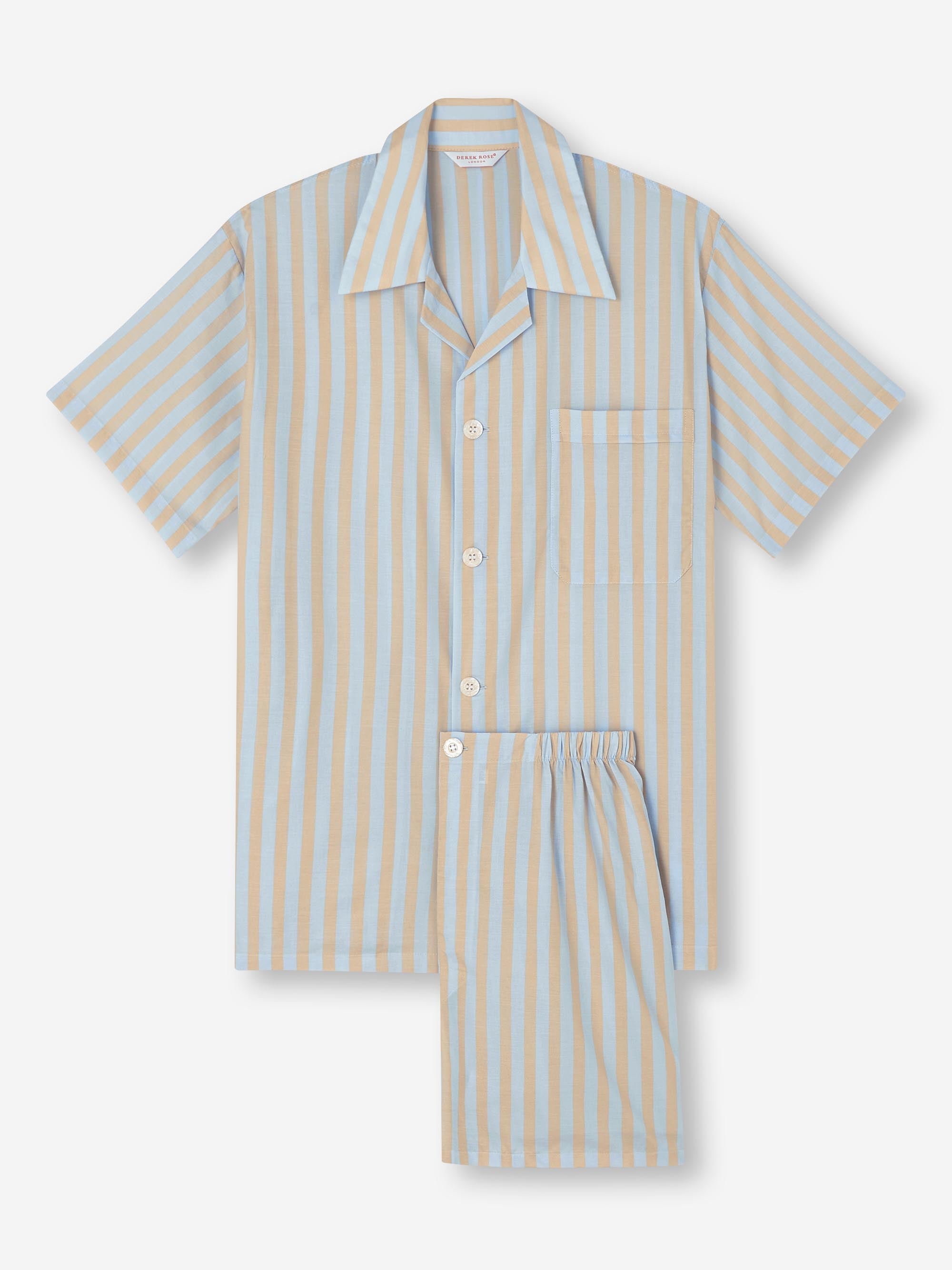
Pyjamas generally accepted in place of nightshirt. Silk stripes became very popular.
So How Do We Perceive Pyjamas Today?
Today,
pyjamas are an important item of clothing in general, and especially so
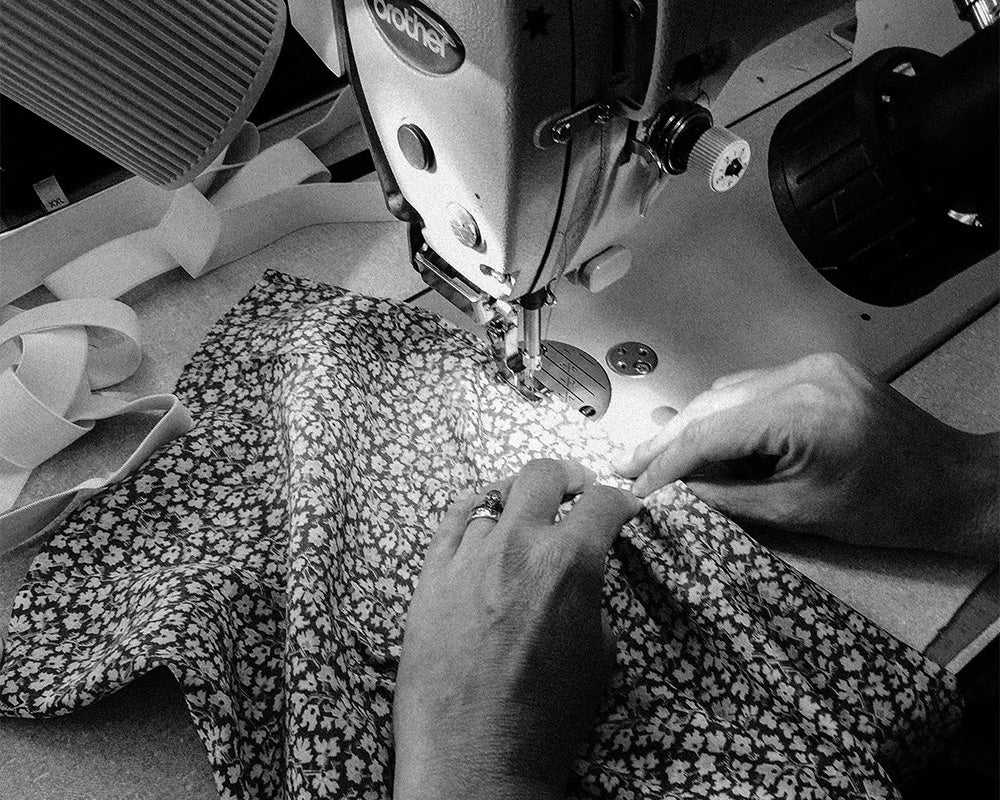
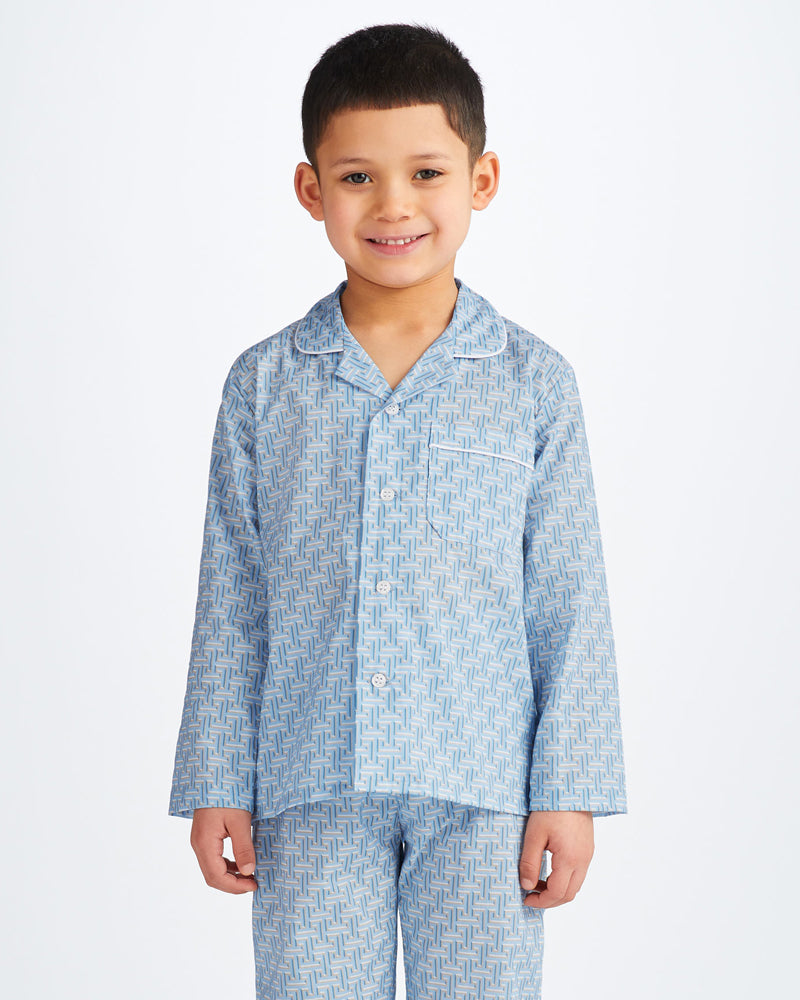
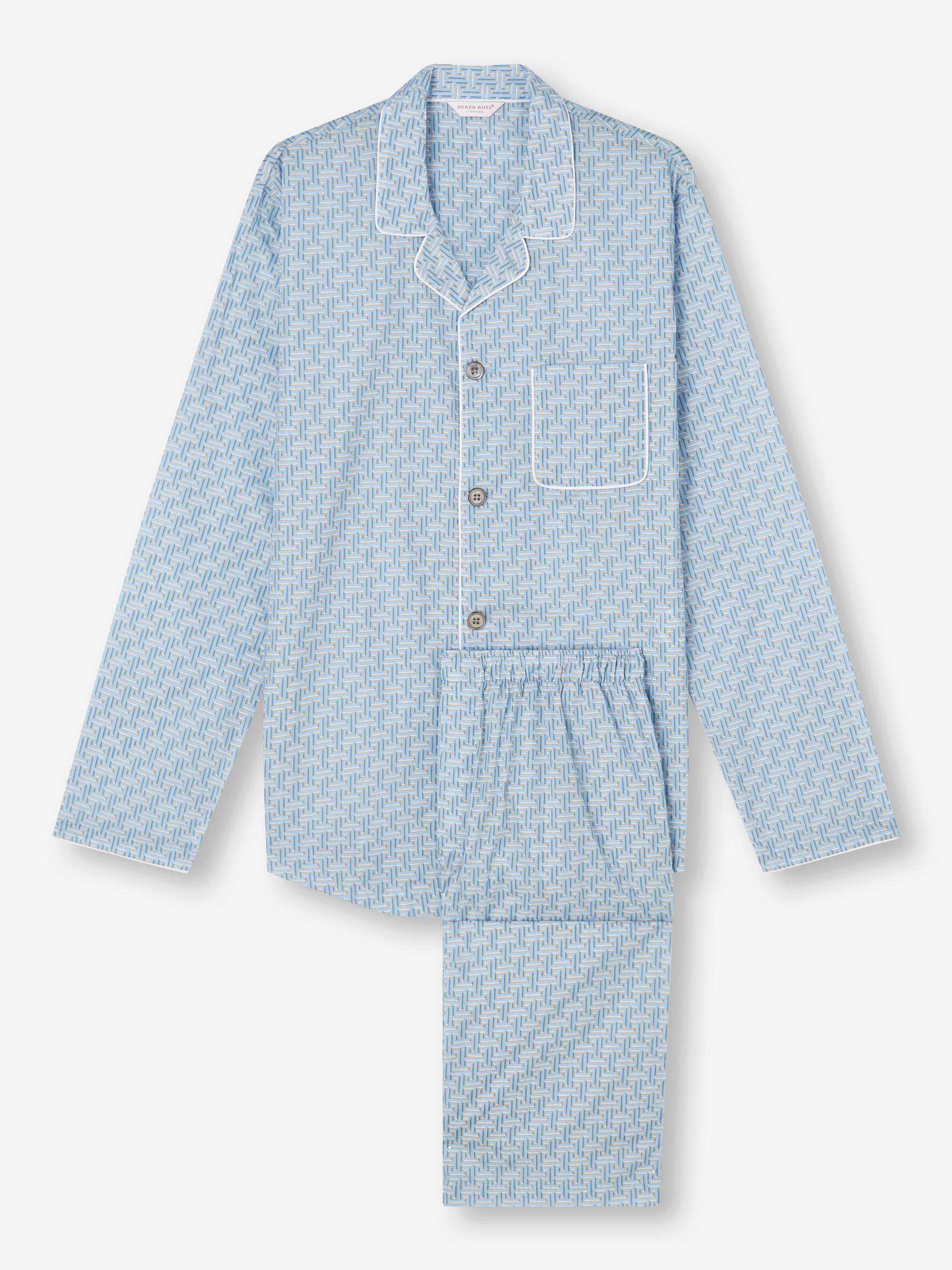
within the category of nightwear. Derek Rose specialises in Pyjamas and
Dressing Gowns of fine cottons and silks, exporting to over fifty
countries around the world.